

Why Food Labels Are Carrying More Information Than Ever Before
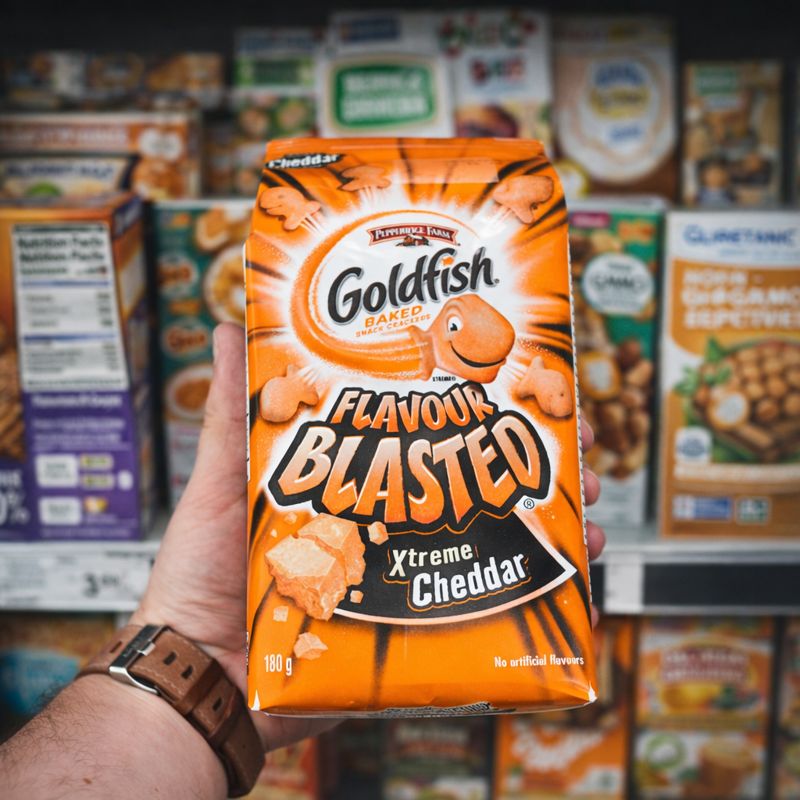
Food packaging is now expected to communicate far more than basic product identity and ingredients. Regulatory changes, public health policy, and environmental reform have all contributed to a steady expansion of on-pack information. For many food brands, the challenge is no longer deciding what to include, but how to include it without overwhelming the pack.
This shift has made food labels denser and more complex, particularly for products sold through major retailers. As requirements continue to evolve, packaging teams are increasingly rethinking label formats to accommodate growing information demands.
Public Health and Promotional Restrictions
Public health measures have had a direct impact on how food products are labelled and presented. Restrictions on promotions for certain categories have forced brands to rethink front-of-pack messaging, pricing mechanics, and visual hierarchy. Claims and callouts that were once prominent may now need to be removed or repositioned, creating knock-on effects across the entire label design.
At the same time, nutrition information remains a focal point. Mandatory declarations, allergen emphasis, and ingredient transparency are under constant scrutiny. Where reformulation occurs, labels may need frequent updates, adding further pressure to already crowded layouts.
These changes mean that food labels are no longer static assets. They are regularly adjusted to reflect regulatory interpretation, retailer guidance, and enforcement expectations, all of which increase the volume of information that must be managed on-pack.
Environmental and Recycling Information Expansion
Alongside health-related requirements, environmental labelling has expanded significantly. Clear recycling instructions are becoming standard, replacing a patchwork of symbols and voluntary statements. Food labels must now explain how different components of packaging should be disposed of, often within limited space.
This information is particularly challenging for products with multiple materials, such as films, trays, and lids. Communicating disposal instructions clearly without confusing consumers requires careful wording and layout. As a result, environmental content increasingly competes with nutrition and branding elements for space.
In many cases, this has pushed food labels beyond what a single visible panel can comfortably support, especially for smaller packs.
How Brands Are Responding to Information Pressure
To manage this growing content load, food brands are exploring formats that allow information to be structured rather than compressed. Extended content and multi-layer labels provide a way to separate essential front-of-pack elements from detailed regulatory and recycling information.
This approach helps maintain legibility and reduces the risk of errors caused by overcrowded designs. It also supports consistency across product ranges, as brands can apply a common label structure even when individual products require different levels of information.
Ultimately, the increase in food label content reflects wider shifts in regulation and consumer expectations. As these pressures continue, the ability to organise information clearly is becoming just as important as the information itself.