

How Simpler Recycling Will Impact Food Label Design in the UK
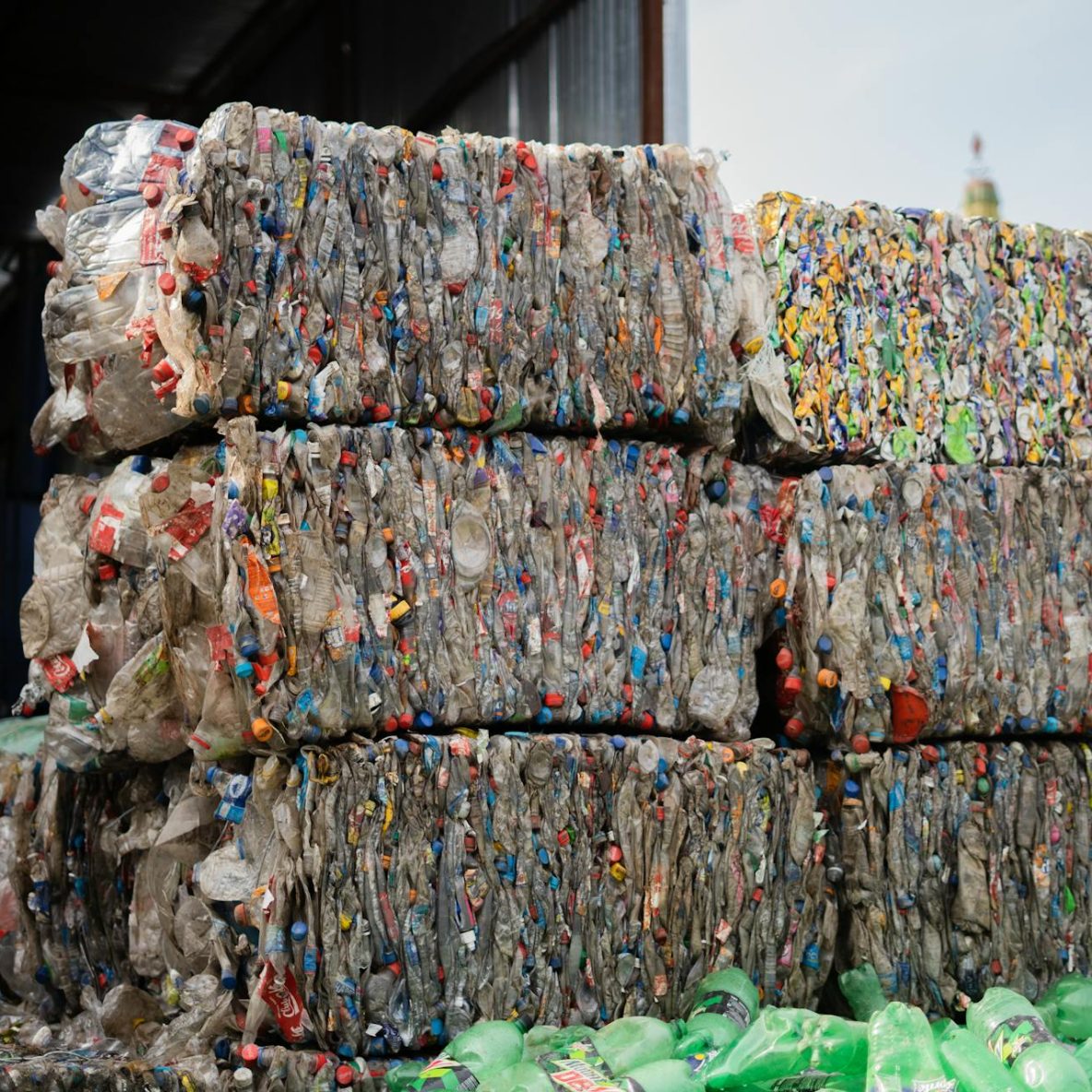
The rollout of Simpler Recycling in England, set to be phased in from 2025, is transforming how households manage waste. For food and drink brands, the scheme brings new expectations for packaging and labelling. Clearer disposal instructions, standardised recycling systems, and a stronger emphasis on material choice are all reshaping label design.
Standardisation of Recycling Guidance
Simpler Recycling aims to unify collection systems across local authorities, ensuring that households can recycle the same core materials wherever they live. For packaging, this means labels must now communicate disposal information in a consistent way. Food brands can no longer rely on local variations in recycling guidance, instead needing to adopt a clear national approach.
This shift is being reflected in label design. On-pack recycling labels (OPRL) are becoming more prominent, with simplified icons and instructions designed to cut consumer confusion. The challenge for brands is to integrate these elements without overcrowding packaging or diluting key product messaging.
Pressure on Material Choices
Food labels are also affected by the materials used in packaging. Under Simpler Recycling, only packaging that fits into the new core collection system will be widely recycled. This is pushing brands to phase out complex multi-material formats and switch to plastics, card, or paper that meet recyclability criteria.
Labels play a role in this process. Adhesives, laminates, and finishes must be compatible with recycling streams. Designers are under pressure to select materials that not only perform well during product use but also do not hinder recyclability once disposed of. As a result, we are seeing a rise in interest in water-based inks, recyclable label substrates, and finishes that support rather than obstruct recovery.
Layout Adjustments for Disposal Instructions
One of the most visible impacts of Simpler Recycling will be the space dedicated to disposal messaging. Food brands are expected to provide clear, front-of-pack instructions to ensure consumers know how to recycle each component of the packaging. This includes guidance on separating lids, rinsing containers, or disposing of films.
Fitting this information into limited label real estate is not straightforward. Peel and reveal formats are proving valuable, giving brands space to include detailed disposal guidance alongside traditional product information. QR codes are also being adopted to link to extended instructions without overloading the design.
The Strategic Role of Food Labels
The introduction of Simpler Recycling shows how labels are becoming strategic tools in delivering national sustainability goals. For food and drink brands, compliance is mandatory, but the way they present disposal information can also reinforce environmental credentials. Clear, trustworthy recycling instructions help build consumer confidence and position brands as leaders in sustainable practice.
Looking ahead, Simpler Recycling will continue to shape the balance between design, compliance, and sustainability in food labelling. The brands that adapt quickly and communicate recycling messages effectively are likely to benefit from greater consumer trust and smoother compliance with the new framework.