

Why Food Labels Are Costing More – And Simple Ways to Manage It
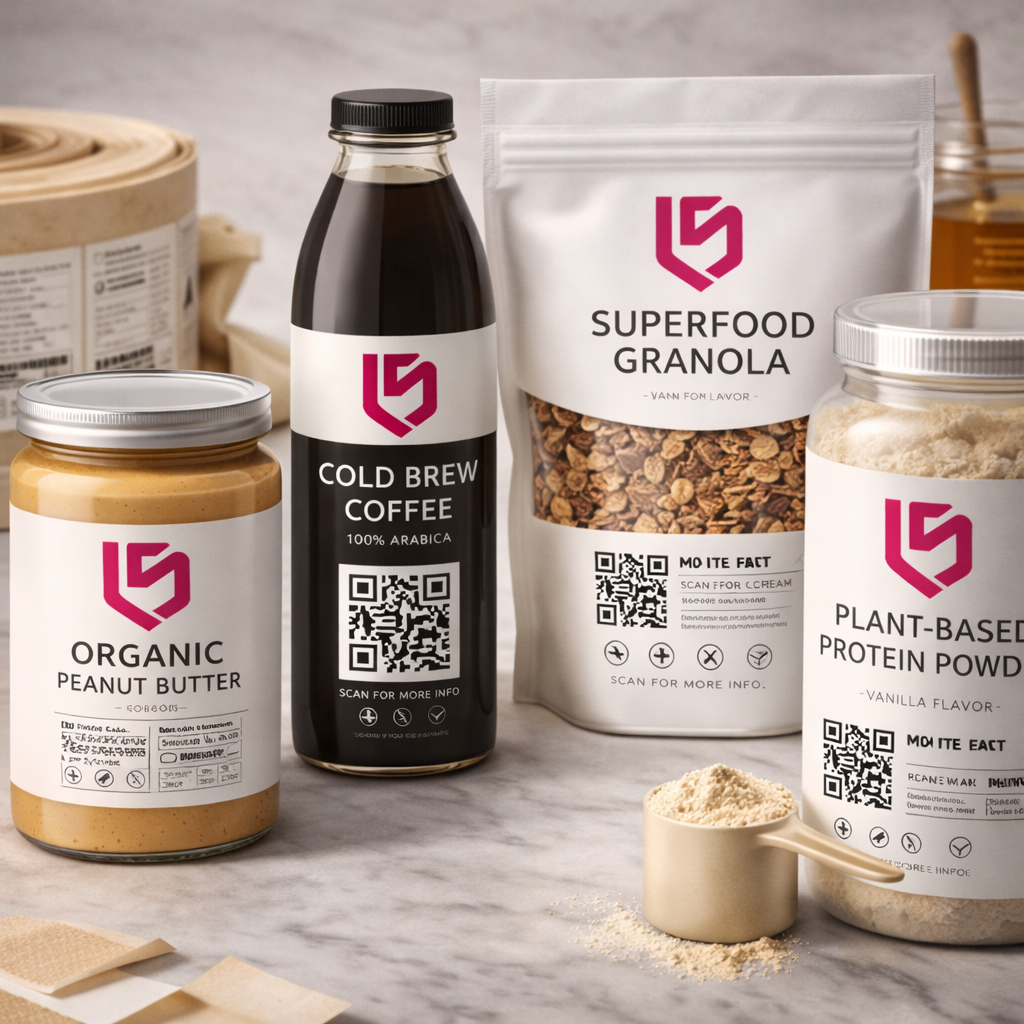
Food manufacturers are seeing noticeable increases in label costs in 2026, with many reporting rises of 15–35% depending on materials and order volumes. The main culprits are sharp rises in resin prices linked to disruptions in the Strait of Hormuz and the added burden of Extended Producer Responsibility modulated fees that are now scaling up.
Why Food Label Costs Are Rising
Polyethylene (PE), polypropylene (PP), and PET films — widely used for wrap-around labels, shrink sleeves, and pressure-sensitive labels — have seen significant price increases. These materials are essential for moisture resistance, durability, and high-speed application on food production lines. With supply constrained and force majeures in place, converters are passing on higher raw material costs quickly.
At the same time, EPR modulated fees are assessing packaging under the Recyclability Assessment Methodology. Labels and packs that score poorly on recyclability face higher charges, adding further pressure, especially for multi-layer or film-heavy constructions common in food packaging.
Which Food Labels Are Most Affected?
Wrap-around labels for bottles and jars, shrink sleeves for multipacks, and standard self-adhesive labels on flexible pouches are among the hardest hit. These formats rely heavily on the resins now experiencing volatility. Booklet and peel & reveal labels are also seeing cost increases through higher film and adhesive prices, although they can sometimes help reduce overall pack costs by consolidating information.
Simple Ways to Manage Rising Food Label Costs
Several practical steps can help control expenses without sacrificing compliance or shelf appeal:
- Lightweighting: Review specifications and reduce film thickness where durability and food safety standards allow. Many converters can now deliver good performance with thinner gauges.
- Switch to efficient formats: Peel & reveal labels let you include full ingredient lists, nutritional information, and cooking instructions in a compact space, often removing the need for separate leaflets or larger cartons.
- Consider hybrid or paper-based options: For suitable products, paper facestocks or hybrid constructions can reduce reliance on volatile plastic resins while still providing an attractive finish.
- Add QR codes strategically: A well-placed QR code can link to detailed nutritional data, allergen information, or recycling guidance, freeing up space on the primary label and potentially reducing printed material.
- Standardise across ranges: Using common label sizes and constructions across multiple products lowers setup costs and improves negotiating power with suppliers.
- Lock in pricing: Talk to your converter about longer-term agreements to secure more stable costs before further increases hit.
How EPR Rules Influence Your Choices
Better recyclability can help lower modulated fees. Labels that detach cleanly or use more recyclable materials may qualify for improved ratings. Working with your supplier to test EPR-friendly constructions can deliver both cost savings and environmental benefits.
Final Takeaway
Food labels are costing more in 2026 mainly because of resin price volatility and EPR pressures, but there are clear, practical ways to manage the impact. Lightweighting, peel & reveal formats, QR code integration, and smarter material choices can all help keep costs under control while maintaining compliance and attractive shelf presentation.
The brands that act early — by reviewing specifications and working closely with an experienced food label supplier — will be in the strongest position to protect margins and avoid larger shocks later in the year. Small changes in label design and format can deliver meaningful savings when material prices remain elevated.