Best Practices for Allergen Labelling on Prepacked Direct Sales Foods Under Natasha’s Law
Best Practices for Allergen Labelling on Prepacked Direct Sales Foods Under Natasha's Law

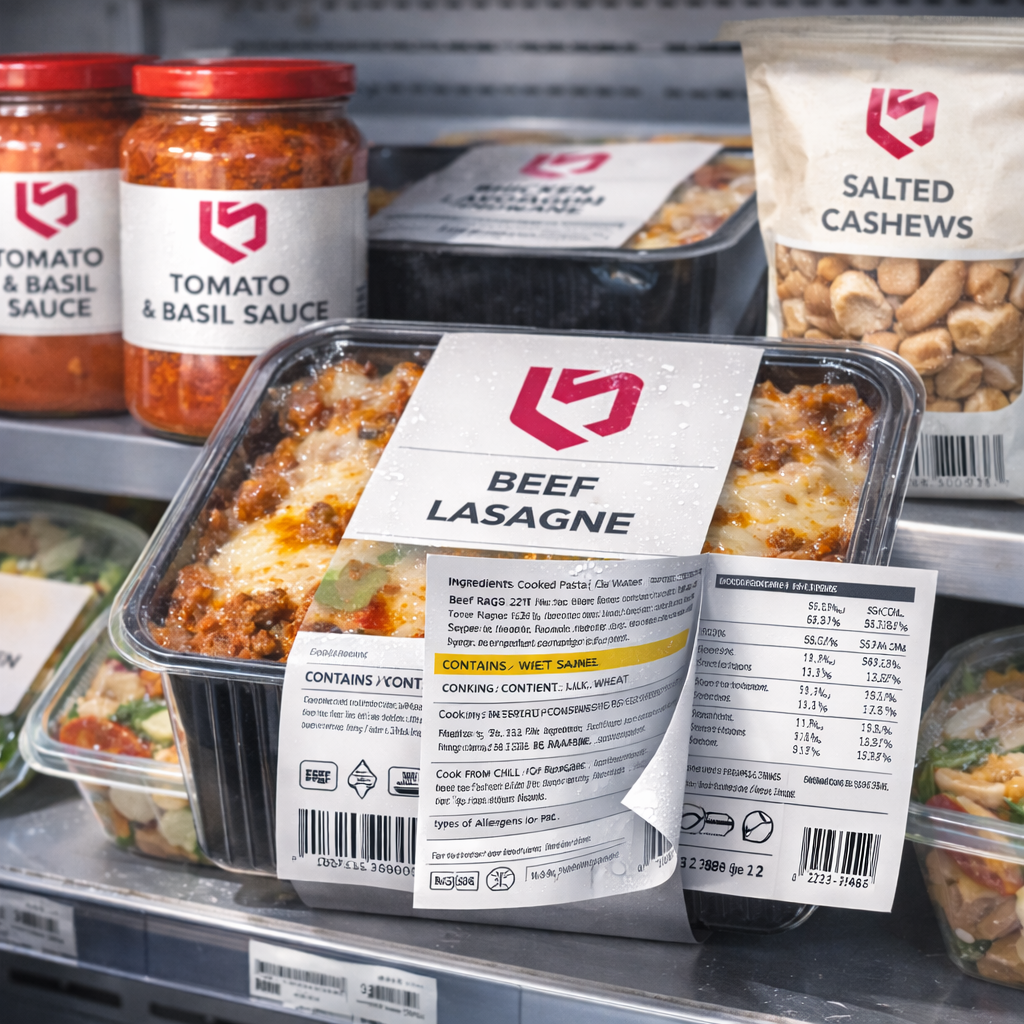
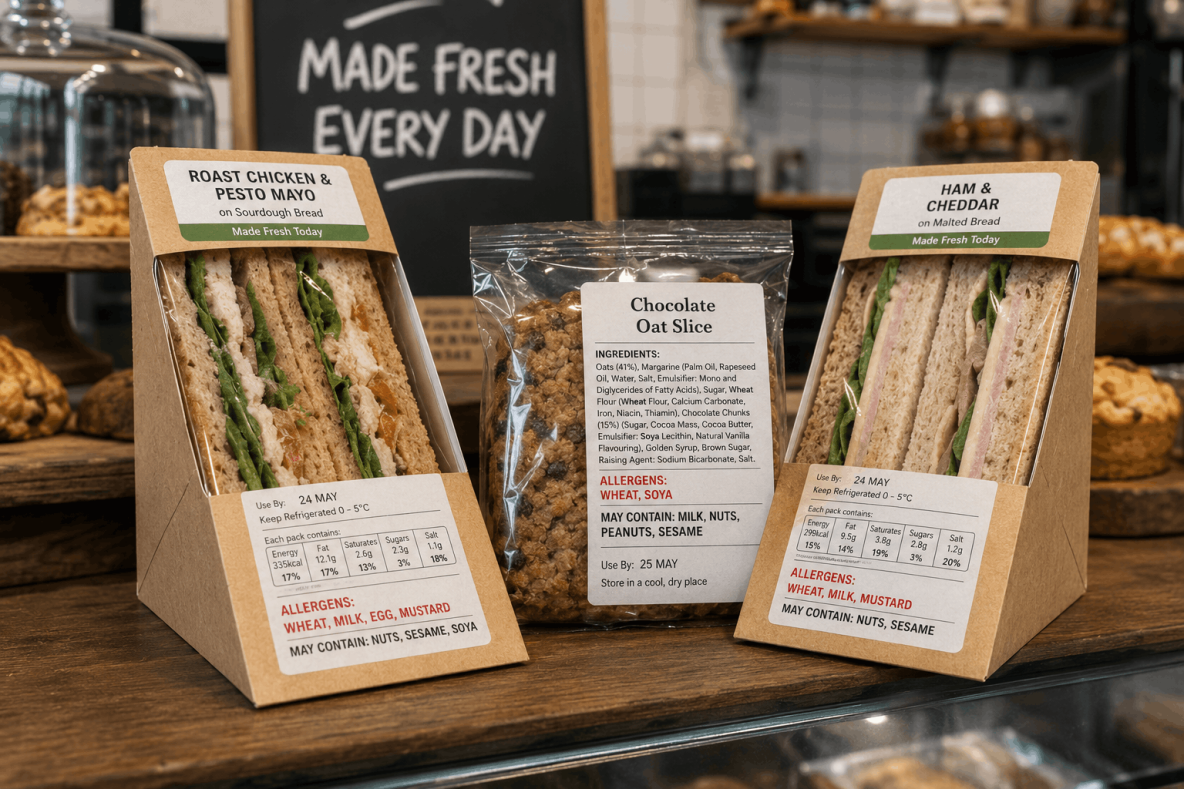
Natasha’s Law has been in force since 1 October 2021. Despite four years of regulatory operation, a regional Trading Standards survey found 56 out of 100 food businesses were not providing fully compliant ingredient lists for prepacked direct sale food. Enforcement activity has increased in 2025 and 2026, with local authorities prioritising PPDS inspections as part of broader food allergen …
Food Labels Provide Clear Compost and Recycling Guidance to Match Simpler Waste Collection Systems

Food Labels Provide Clear Compost and Recycling Guidance to Match Simpler Waste Collection Systems

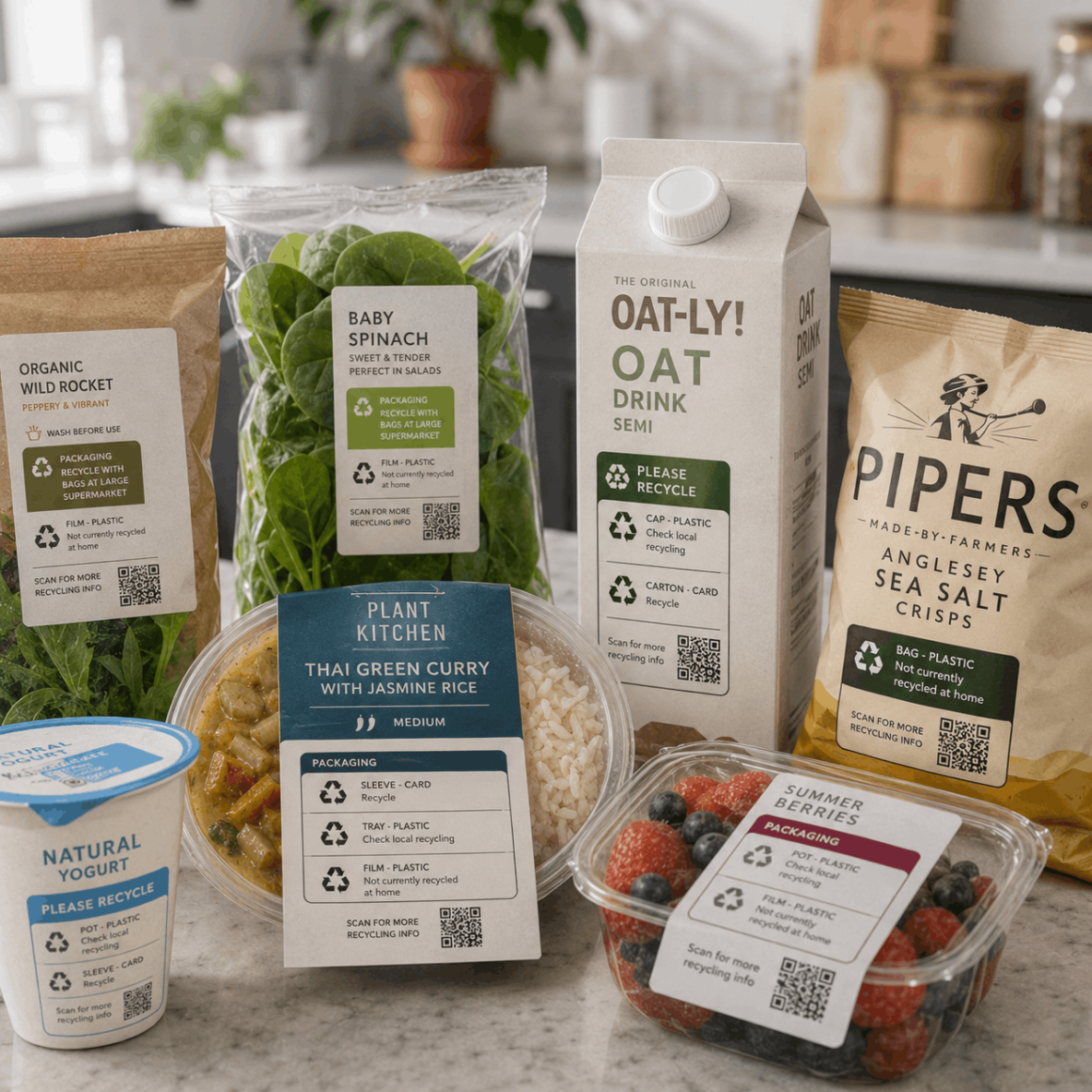
Simpler household waste collection systems are being introduced across the UK, with the aim of improving recycling rates and reducing contamination. As these systems become more standardised, the role of on-pack communication is becoming increasingly important. Food labels are now expected to provide clear, consistent disposal guidance that aligns with local infrastructure and national policy. For many consumers, the label …

Why Food Labels Are Costing More – And Simple Ways to Manage It

Why Food Labels Are Costing More – And Simple Ways to Manage It

Food manufacturers are seeing noticeable increases in label costs in 2026, with many reporting rises of 15–35% depending on materials and order volumes. The main culprits are sharp rises in resin prices linked to disruptions in the Strait of Hormuz and the added burden of Extended Producer Responsibility modulated fees that are now scaling up. Why Food Label Costs Are …

Allergen Labelling on Food Labels: UK Compliance Essentials

Allergen Labelling on Food Labels UK Compliance Essentials

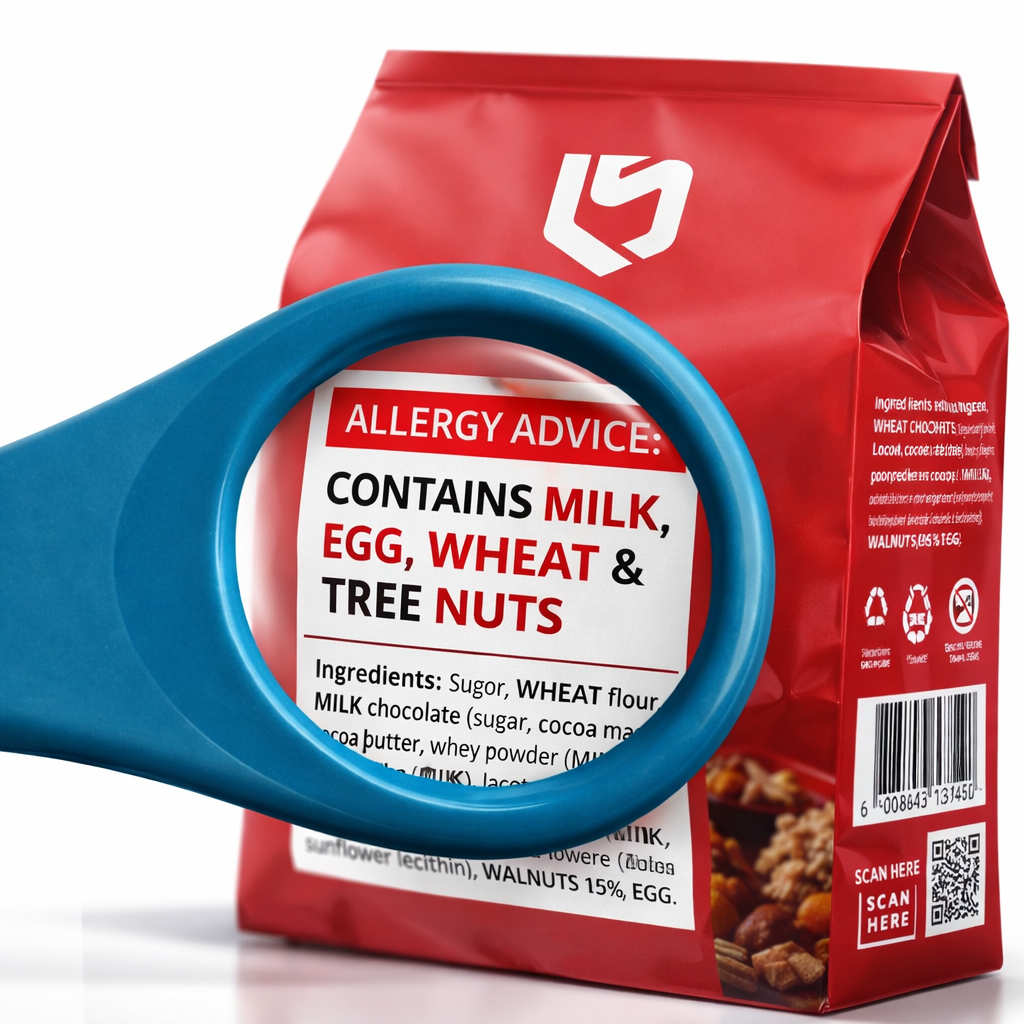
Allergen labelling is one of the most tightly enforced areas of UK food regulation. Errors are treated as direct consumer safety risks rather than technical breaches, which is why allergen-related recalls remain consistently high. For food brands, compliance is not limited to listing ingredients correctly. It also depends on how allergen information is presented, emphasised, and maintained as formulations and …

Simpler Recycling Rollout: What Food Labels Must Include to Stay Compliant

sustainable-source-and-renewable-energy-concept-wi-2025-01-09-15-18-24-utc

The UK government’s Simpler Recycling scheme begins rolling out in 2025, and food brands are among the sectors most affected by its requirements. The reform is designed to end the patchwork of local recycling rules by standardising what households can place in their bins. For packaging designers and food manufacturers, that shift brings both an opportunity for clarity and a …

New Consumer Trends in Food Label Design: Less Text, More Impact

bearded-man-in-casual-clothes-choose-baby-powdered-2024-10-18-03-56-05-utc

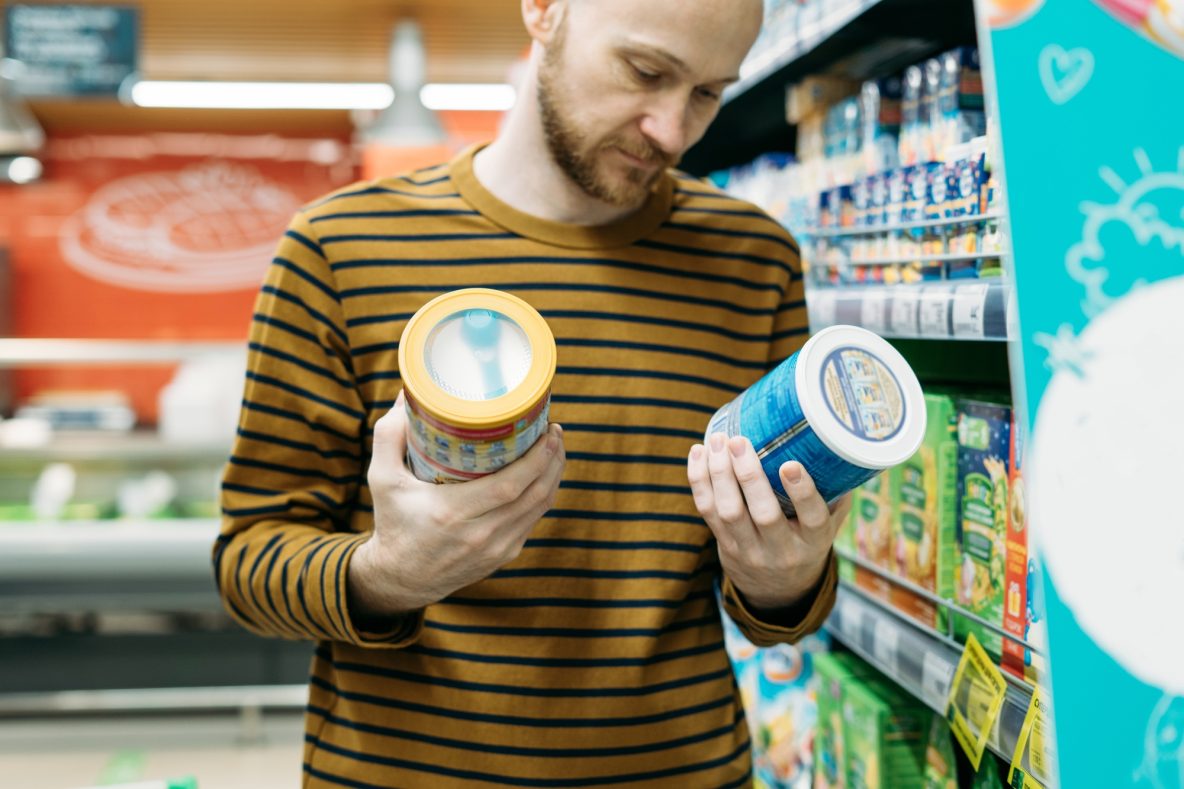
Food packaging is undergoing a shift. Today’s consumers want clear, immediate information—without the clutter. In response, food brands are rethinking label design, favouring clean visuals, intuitive icons, and minimal wording that still delivers essential details. Clarity Over Clutter In a competitive retail environment, labels need to work fast. Research shows that shoppers often make decisions in under ten seconds. Long …

What Information Must Legally Be Shown on Food Labels?

Reading composition of juice for kids

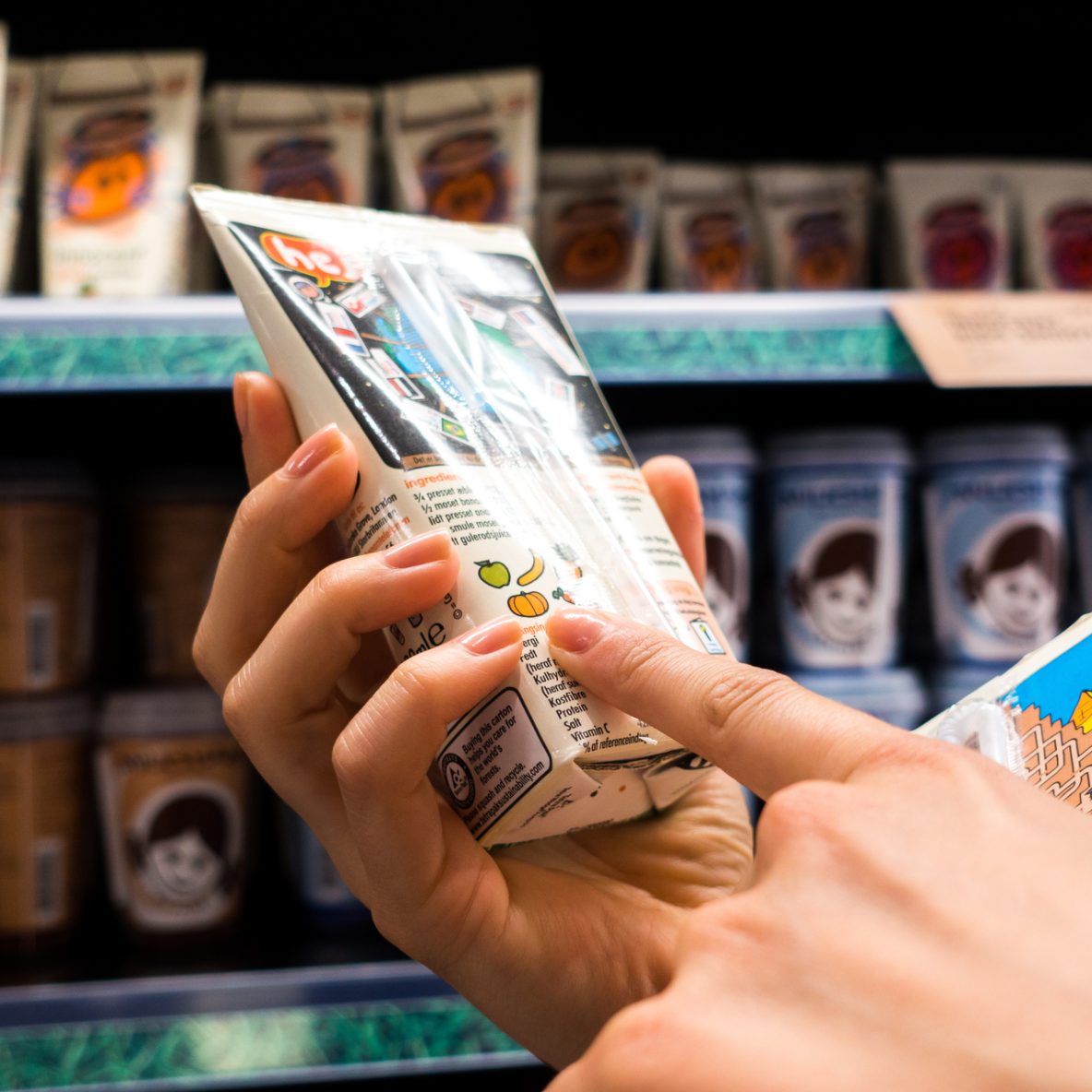
All prepackaged food must have a label that includes specific mandatory information. Food products are subject to general labeling regulations, and any information provided must be truthful, clear, and not misleading. Certain foods are controlled by product specific regulations (Opens in a new window) and they include: The name of the food must be clearly stated on the packaging and …

Microplastics are Poisoning the UK Food Chain

Garbage bag with plastic and mixed waste

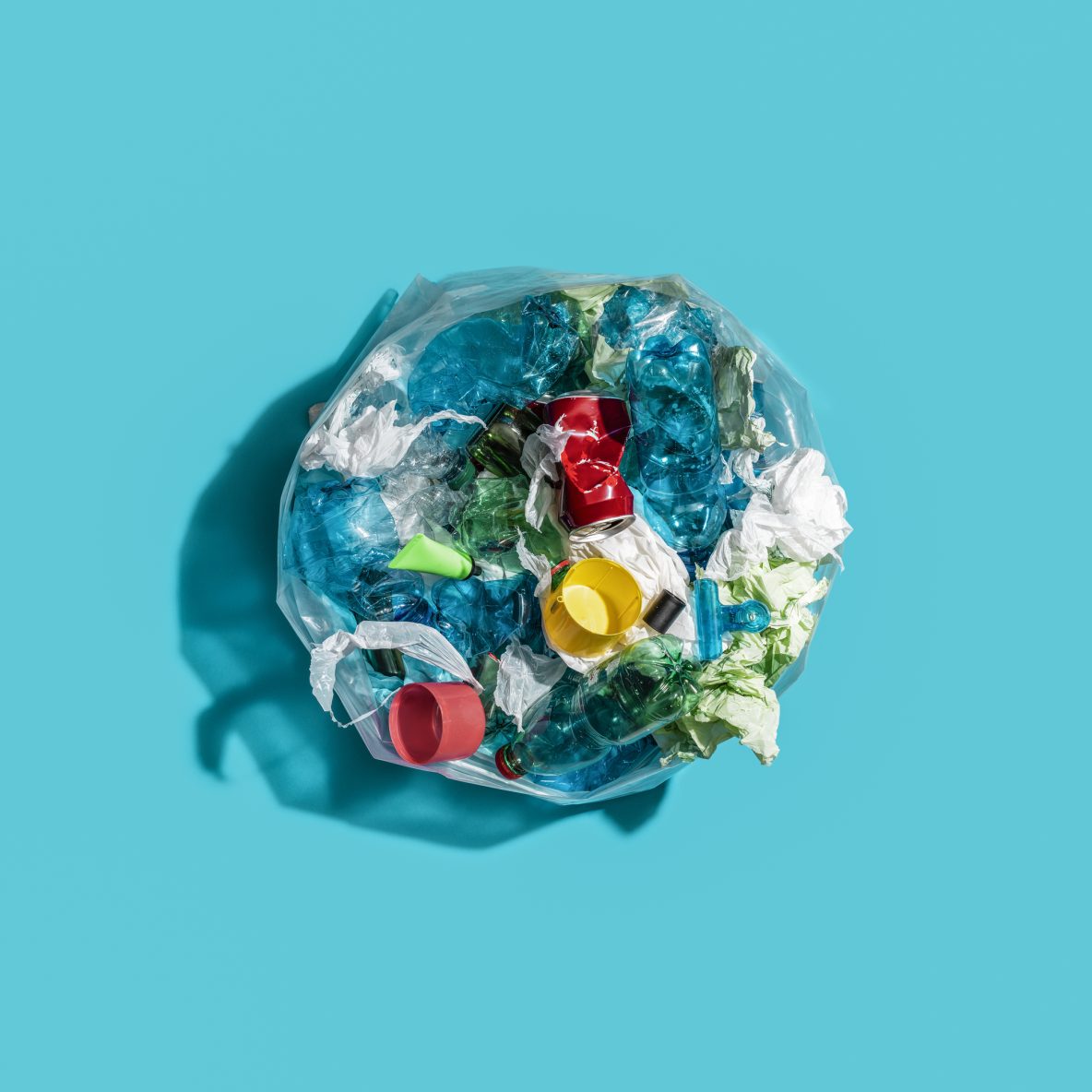
Microplastics are hindering photosynthesis, the process by which plants convert energy from the sun into the fruit and vegetables we eat. This threatens massive losses in crop and seafood production over the coming decades that could mean food shortages for hundreds of millions of people.So concludes an alarming new study. The authors combined more than 3,000 observations of the effects …

Bananas Given “Sad” Labels to Help Reduce Food Waste

Colorful fruit pattern. Bananas over yellow background. Square crop. Top view. Pop art design, creative summer concept. Minimal flat lay style.

With more than 1 billion meals thrown in the bin globally each day, there’s no doubt society needs new ways to cut food waste. Now scientists say they might have an answer – giving food products ‘sad’ labels to help us empathise with them.  Cartoons of sad-looking bananas boost sales of the fruit when they’re not in bunches, according to …