Best Practices for Allergen Labelling on Prepacked Direct Sales Foods Under Natasha’s Law

Best Practices for Allergen Labelling on Prepacked Direct Sales Foods Under Natasha's Law

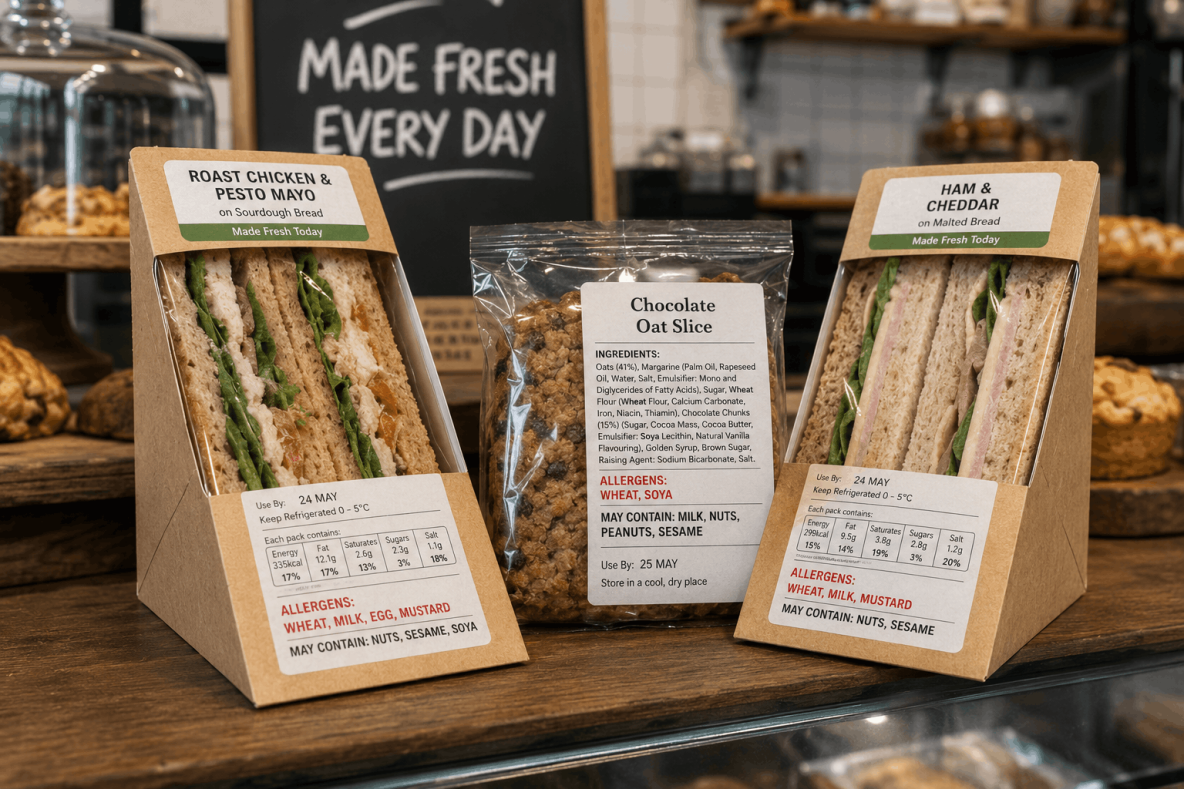
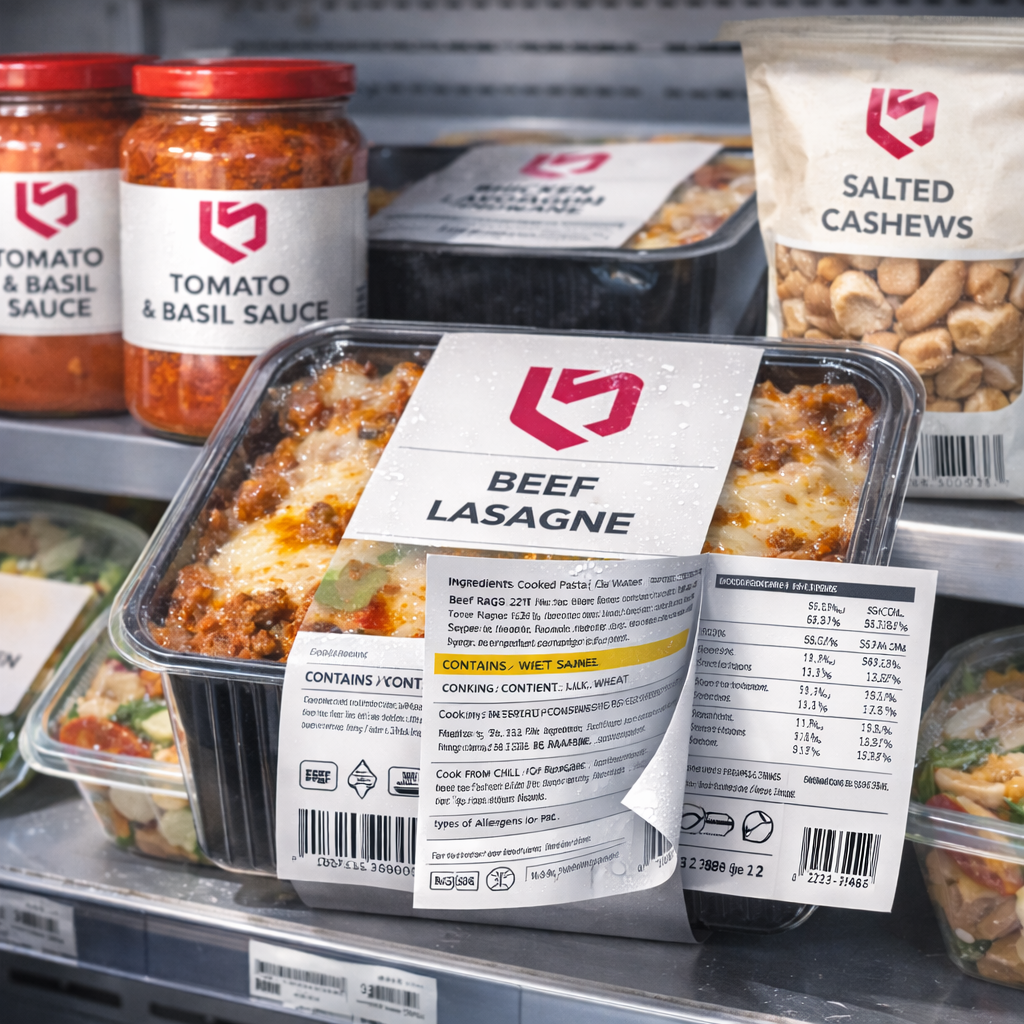
Natasha’s Law has been in force since 1 October 2021. Despite four years of regulatory operation, a regional Trading Standards survey found 56 out of 100 food businesses were not providing fully compliant ingredient lists for prepacked direct sale food. Enforcement activity has increased in 2025 and 2026, with local authorities prioritising PPDS inspections as part of broader food allergen …

Food Labels Provide Clear Compost and Recycling Guidance to Match Simpler Waste Collection Systems

Food Labels Provide Clear Compost and Recycling Guidance to Match Simpler Waste Collection Systems

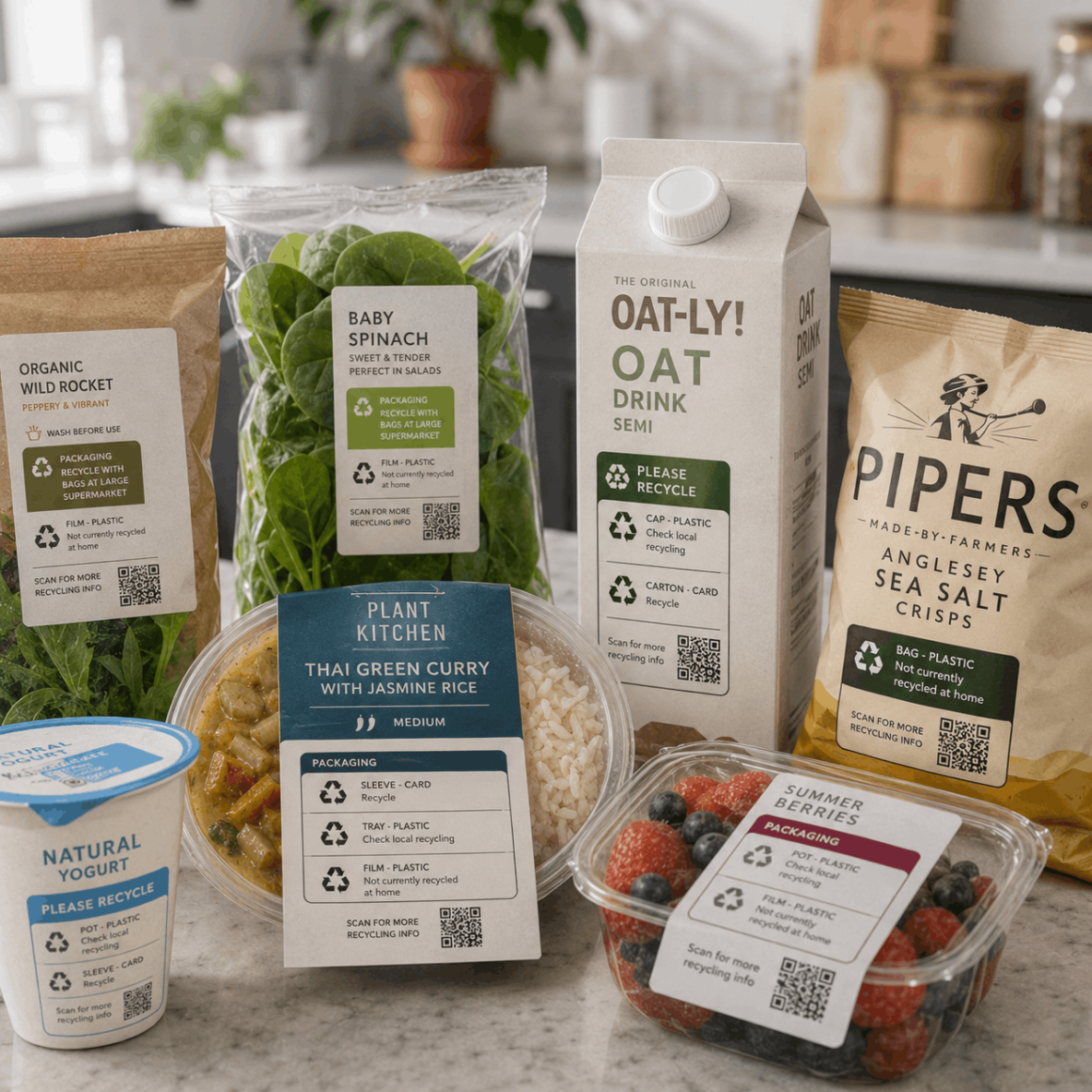
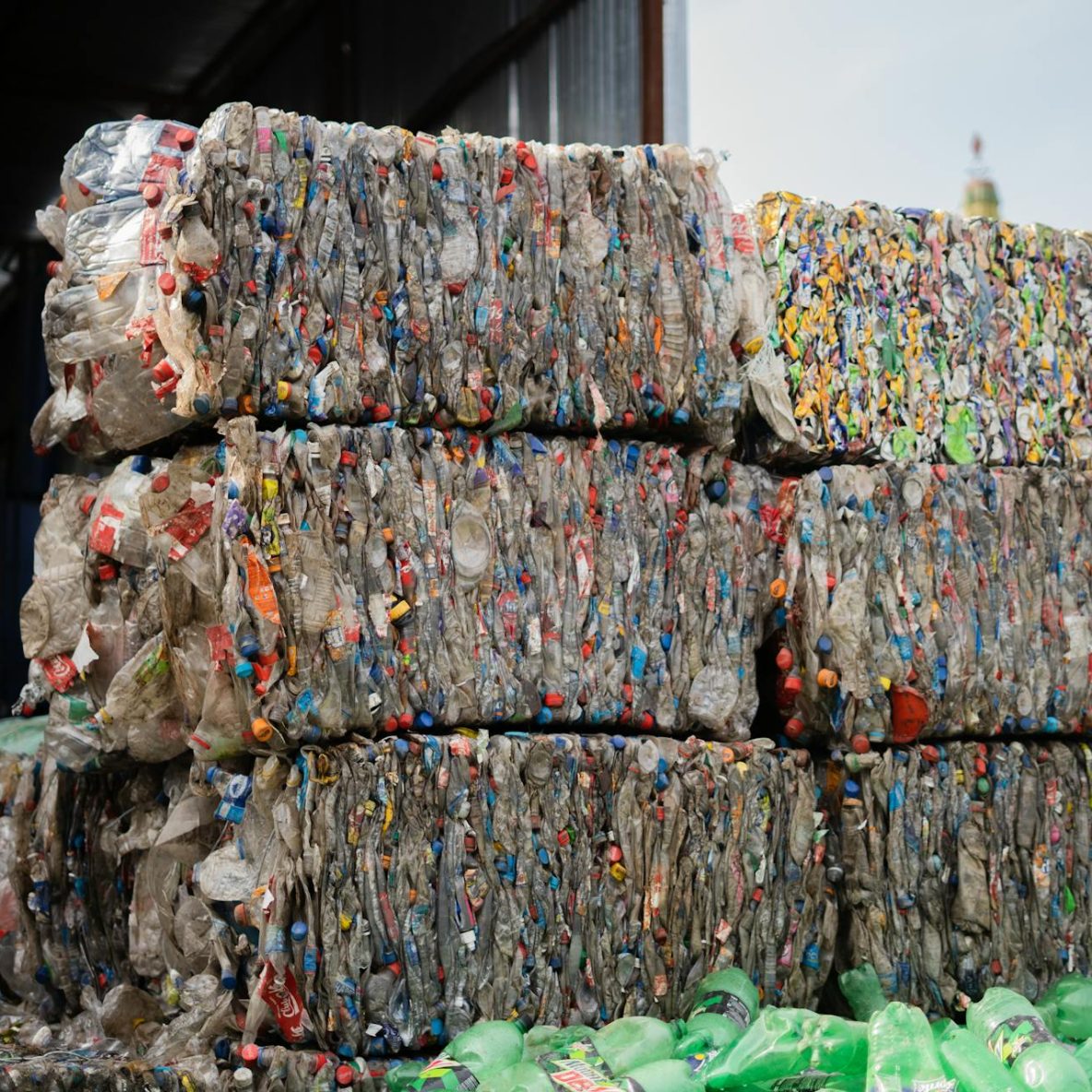
Simpler household waste collection systems are being introduced across the UK, with the aim of improving recycling rates and reducing contamination. As these systems become more standardised, the role of on-pack communication is becoming increasingly important. Food labels are now expected to provide clear, consistent disposal guidance that aligns with local infrastructure and national policy. For many consumers, the label …

Why Food Labels Are Costing More – And Simple Ways to Manage It

Why Food Labels Are Costing More – And Simple Ways to Manage It

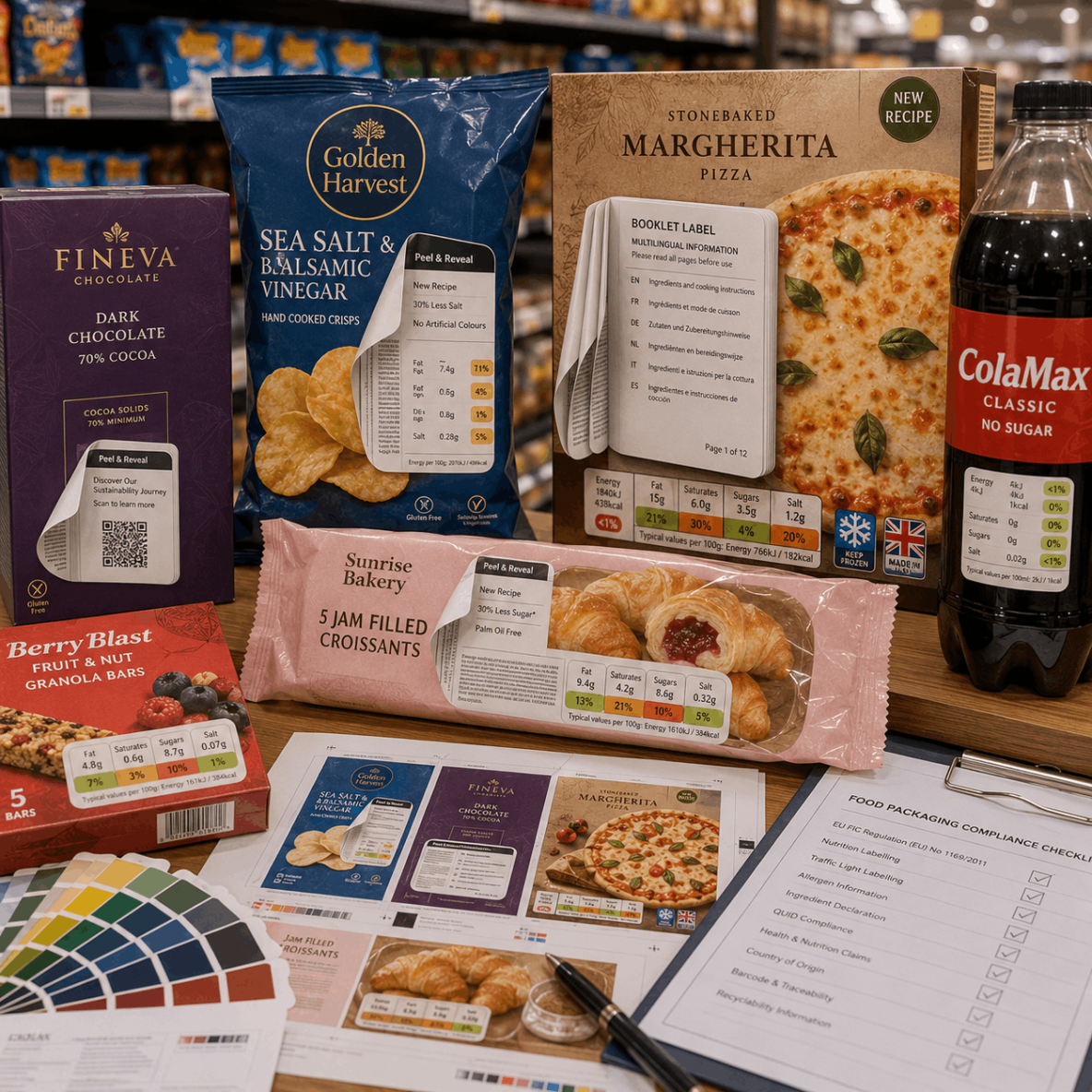
Food manufacturers are seeing noticeable increases in label costs in 2026, with many reporting rises of 15–35% depending on materials and order volumes. The main culprits are sharp rises in resin prices linked to disruptions in the Strait of Hormuz and the added burden of Extended Producer Responsibility modulated fees that are now scaling up. Why Food Label Costs Are …

Allergen Labelling on Food Labels: UK Compliance Essentials

Allergen Labelling on Food Labels UK Compliance Essentials

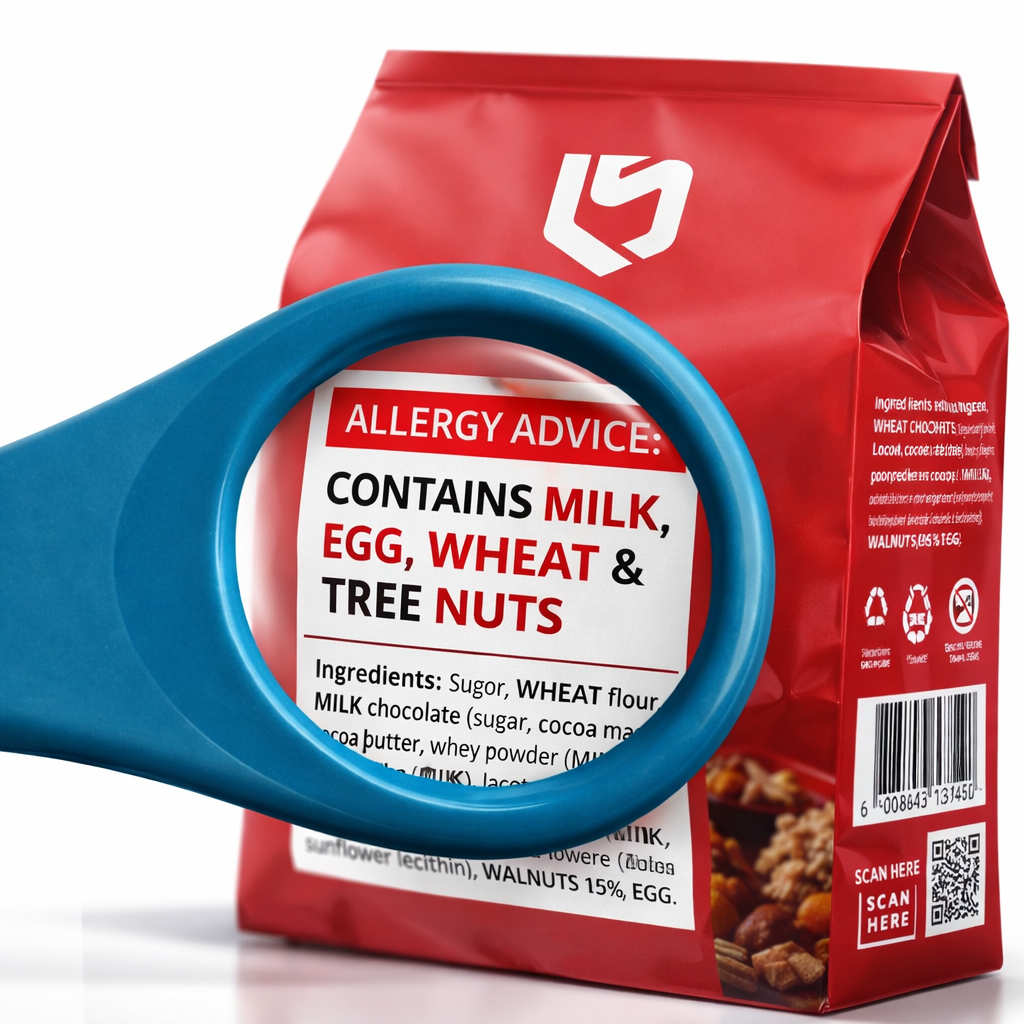
Allergen labelling is one of the most tightly enforced areas of UK food regulation. Errors are treated as direct consumer safety risks rather than technical breaches, which is why allergen-related recalls remain consistently high. For food brands, compliance is not limited to listing ingredients correctly. It also depends on how allergen information is presented, emphasised, and maintained as formulations and …

How Simpler Recycling Will Impact Food Label Design in the UK

pexels-gaurav-ranjitkar-2476729-14370990

The rollout of Simpler Recycling in England, set to be phased in from 2025, is transforming how households manage waste. For food and drink brands, the scheme brings new expectations for packaging and labelling. Clearer disposal instructions, standardised recycling systems, and a stronger emphasis on material choice are all reshaping label design. Standardisation of Recycling Guidance Simpler Recycling aims to …

Simpler Recycling Rollout: What Food Labels Must Include to Stay Compliant

sustainable-source-and-renewable-energy-concept-wi-2025-01-09-15-18-24-utc

The UK government’s Simpler Recycling scheme begins rolling out in 2025, and food brands are among the sectors most affected by its requirements. The reform is designed to end the patchwork of local recycling rules by standardising what households can place in their bins. For packaging designers and food manufacturers, that shift brings both an opportunity for clarity and a …

“Not-for-EU” Labelling Delayed – What That Means for Food Brands in Great Britain

business-concept-image-of-brexit-as-britain-leaves-2025-10-16-22-15-29-utc

Food manufacturers in Great Britain have been given extra time to update their packaging, following the recent delay to the government’s “Not-for-EU” labelling scheme. Originally set to begin rolling out from October 2024, the introduction of the new labelling requirement has now been pushed back, offering a brief reprieve to businesses juggling compliance costs and changing market conditions. What Is …

New Consumer Trends in Food Label Design: Less Text, More Impact

bearded-man-in-casual-clothes-choose-baby-powdered-2024-10-18-03-56-05-utc

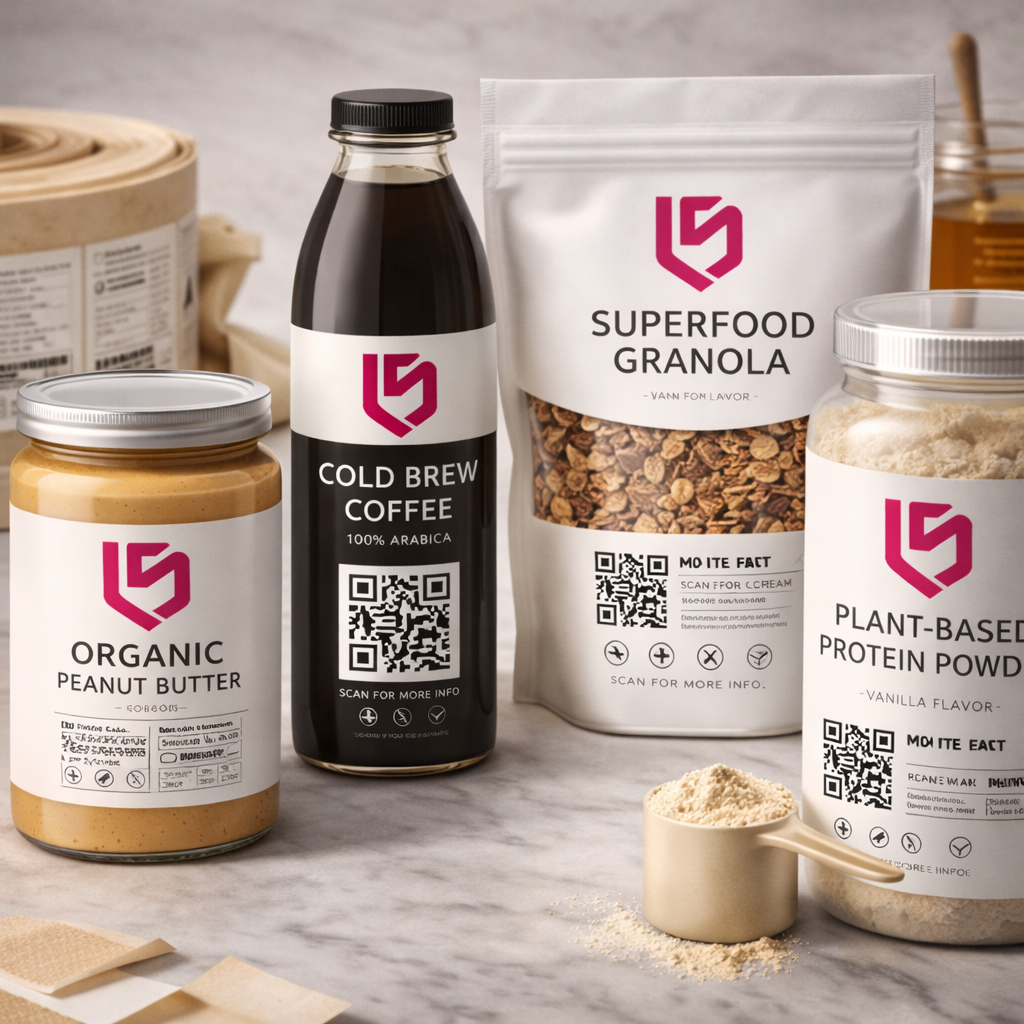
Food packaging is undergoing a shift. Today’s consumers want clear, immediate information—without the clutter. In response, food brands are rethinking label design, favouring clean visuals, intuitive icons, and minimal wording that still delivers essential details. Clarity Over Clutter In a competitive retail environment, labels need to work fast. Research shows that shoppers often make decisions in under ten seconds. Long …